Unlocking Knowledge: How Open World Games Can Enhance Educational Experiences
In a world where education is constantly evolving, the integration of technology has paved the way for innovative learning methods. Among these, open world games stand out as an exciting and interactive way to engage students. By blending play with education, these games have proven to be effective tools for enhancing learning experiences. Let’s dive into how they can transform traditional learning environments!
The Magic Behind Open World Games
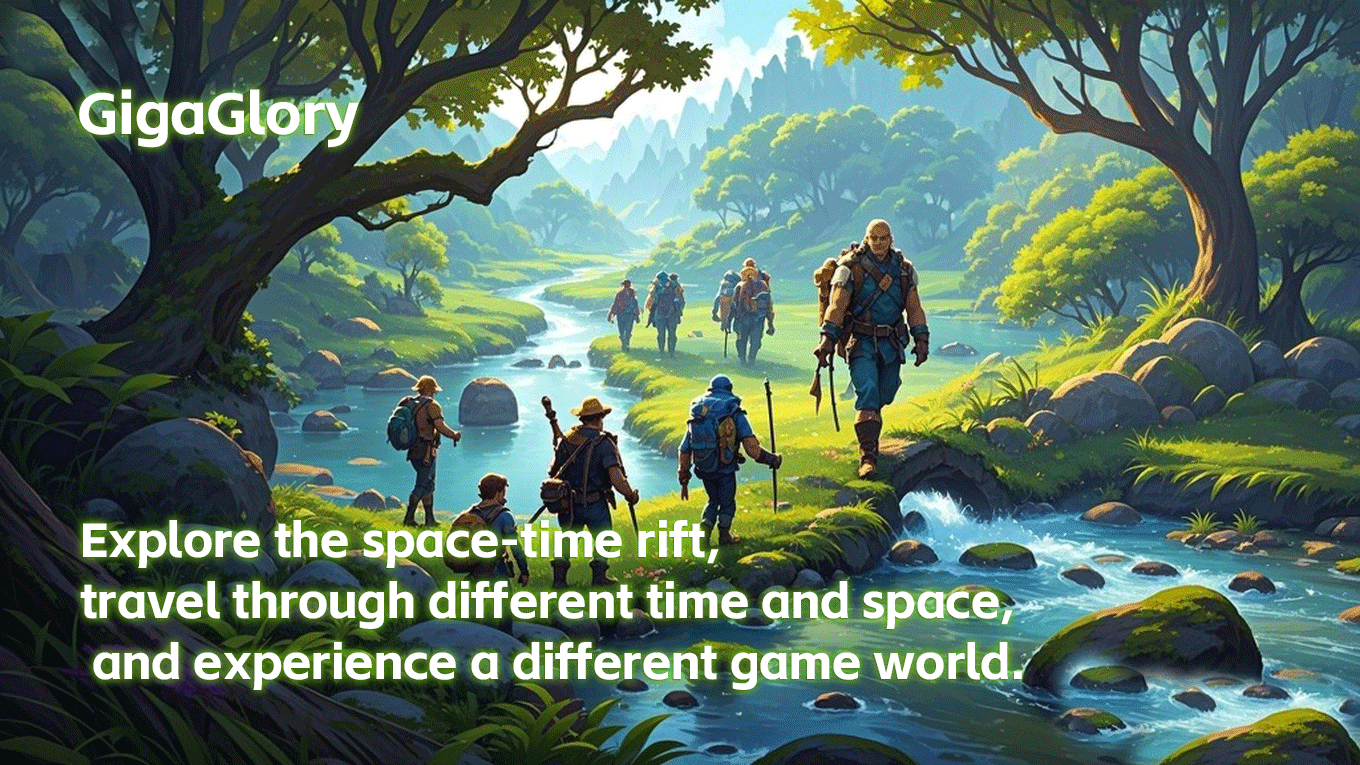
Open world games offer vast, immersive environments where players can explore at their own pace. This freedom encourages critical thinking, problem-solving skills, and creativity—all essential qualities in education. Here’s why they work:
- Engagement: Players are more likely to stay interested when they’re not confined to a linear storyline.
- Real-World Skills: Many games simulate real-life scenarios that promote practical skill development.
- Collaboration: Multiplayer modes can foster teamwork, allowing players to learn from each other.
Educational Benefits of Open World Games
Research has shown immense educational value in using games as learning tools. Let’s take a closer look at some of these benefits:
| Benefits | Description |
|---|---|
| Increased Retention | Gamification helps students remember information better through engaging narratives. |
| Motivation | Games can provide instant feedback, boosting motivation to learn and explore. |
| Personalization | Players can often choose their paths, allowing them to engage with material that interests them. |
Examples of Open World Educational Games
If you’re curious about which games fit the bill for the best educational experiences, here’s a short list of titles to check out:
- Minecraft: Education Edition - An amazing sandbox game where students can explore geometry, physics, and history.
- Kerbal Space Program - A space flight simulation game that teaches physics and engineering concepts.
- Assassin's Creed: Discovery Tour - A unique educational mode that allows players to explore historical settings without the combat.
Connecting Educational Games to Other Interests
Besides the direct educational benefits, you might be wondering how open world games connect with other interests, like cooking. For example, many students eagerly experiment with culinary creations, inclusive of creating recipes using sweet potato fries. So, a fun twist for culinary classes could be introducing games that combine cooking with education!
Imagine a game that challenges players to discover what spices go well with sweet potato fries. This engagement could lead to an exciting classroom project, where students not only learn about flavors but also about nutrition and cultures.
Conclusion
Open world games are more than just a means of entertainment. They are powerful educational tools that can foster skills that are essential in today’s world. By incorporating these games into educational curriculums, we can create immersive and engaging learning experiences that captivate even the most disinterested students. So, why not unlock the potential of gaming in education? The future of learning is here, and it’s fun!