Why Puzzle Games Are More Engaging than Shooting Games: A Deep Dive into Gaming Preferences
In the vast universe of gaming, where pixels collide and stories unfold, two genres often find themselves on opposing pedestals: the intricate charm of puzzle games and the explosive thrills of shooting games. But why do we, as players, sometimes gravitate towards the gentle caress of a brain teaser rather than the adrenaline-pumping chase of a bullet-fest? Join me as we delve deep into this captivating dichotomy, peeling back layers of engagement, mechanics, and emotional resonance.
The Allure of Puzzles: A Home for the Mind
Puzzle games whisper sweet nothings to the intellect. They embrace players like a warm blanket on a chilly evening. Herein lies a world constructed from clever mechanics and rewarding challenges, where each solved riddle feels akin to unearthing buried treasure.
- **Problem Solving**: Players sharpen their minds while unraveling complex nets of logic.
- **Cognitive Challenge**: Engaging the brain fosters a sense of accomplishment.
- **Relaxation**: Many find a soothing escape in rearranging colors or fitting shapes.
The Explosiveness of Shooting Games: A Double-Edged Sword
On the flip side, shooting games explode into life, showering players with frenetic energy. Here, skill reigns supreme as players navigate frenetic environments, guns blazing. However, is this chaos truly captivating, or merely a flash in the pan?
Engagement: The Heart of Gaming Preference
Engagement in gaming isn’t just about time spent; it's about emotional investment. Puzzle games cultivate a deeper connection with the player. They offer **narrative depth** and relatable objectives, where the journey towards enlightenment triumphs over mere survival.
The Emotional Spectrum
Consider the following:
| Aspect | Puzzle Games | Shooting Games |
|---|---|---|
| Emotion | Hope, Satisfaction, Curiosity | Stress, Excitement, Frustration |
| Storytelling | Explorative, Inspirational | Action-driven, Objective-based |
Game Length and Replayability: The Gift That Keeps on Giving

What captivates players more—a brief ecstasy of combat or a lingering wonder of strategy?
- **Puzzle Games**: Typically shorter in individual sessions, yet endless in replayability due to evolving challenges.
- **Shooting Games**: While they often boast longer sessions, repetitive mechanics can lead to fatigue.
Community and Collaboration in Gaming
The essence of gaming transcends the screen. Community engagement fuels our passion. Puzzle games often foster collaboration—think of Farm Friends or Candy Crush—players exchanging tips and tricks, creating a tapestry of shared experiences.
Competition vs. Cooperation
In contrast, shooting games often lean towards competition. Friends become adversaries, leading to high stakes but also potential rifts.
Accessibility: A Gateway for Many Players
Accessibility is another vital pillar. Puzzle games welcome players of all ages and skill levels, drawing in those who seek simple joys.
Conversely, shooting games, with their demanding reflexes and timing, can inadvertently alienate newcomers. The barrier to entry grows taller, keeping many curious souls at bay.
Visual Design: The Art of Engagement
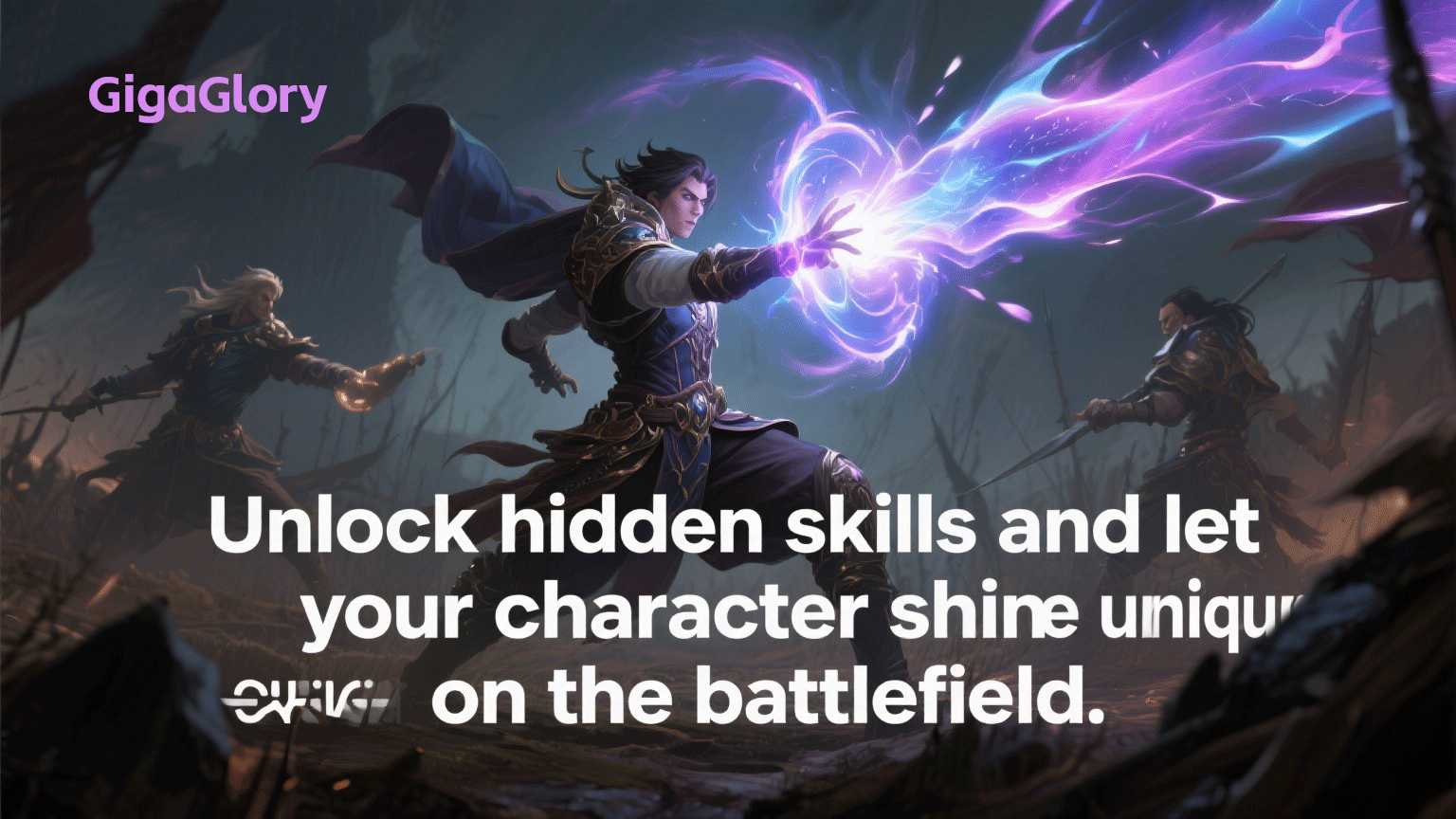
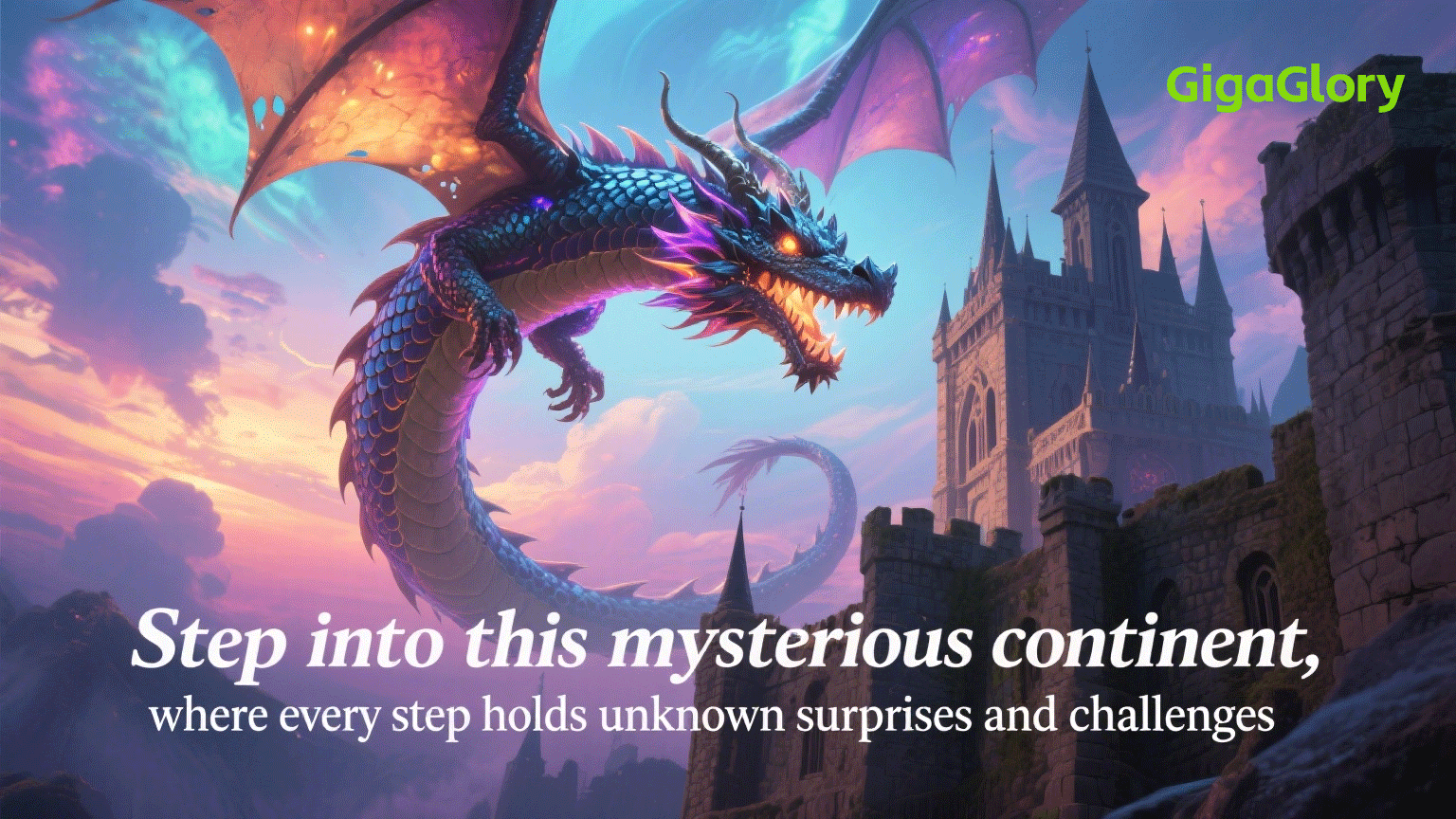
Consider the art behind gaming; puzzle games paint a canvas of vibrant colors, inviting imagery, and soothing soundtracks. These elements come together to create a world that encourages exploration.
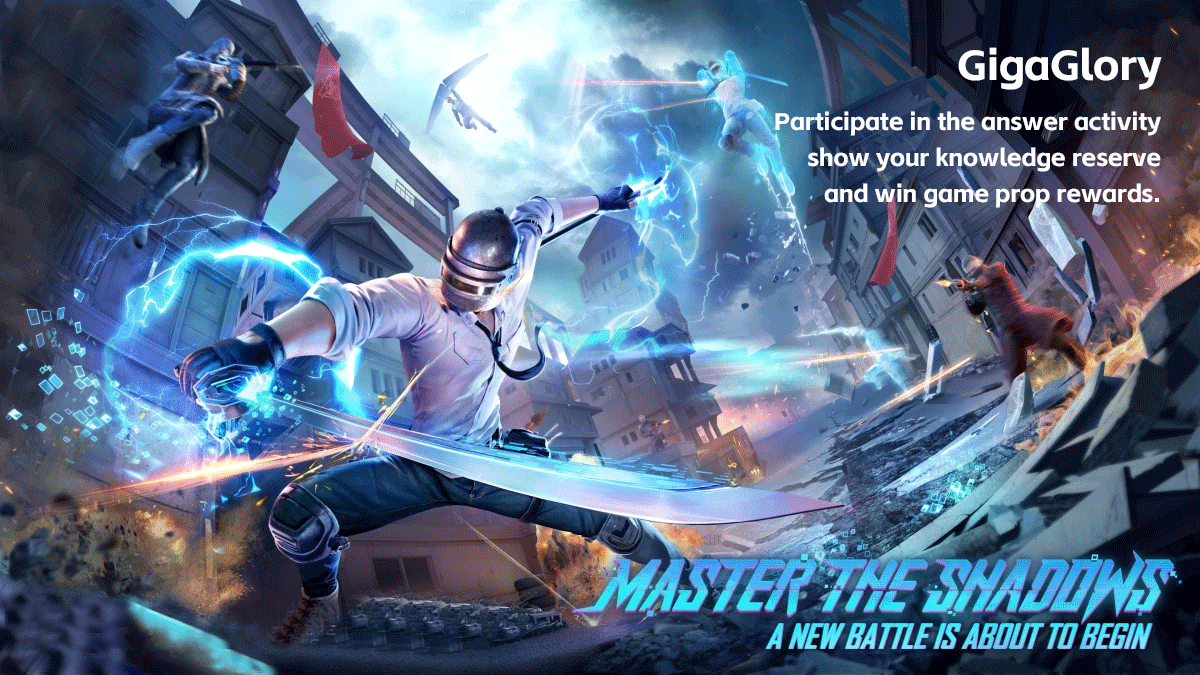
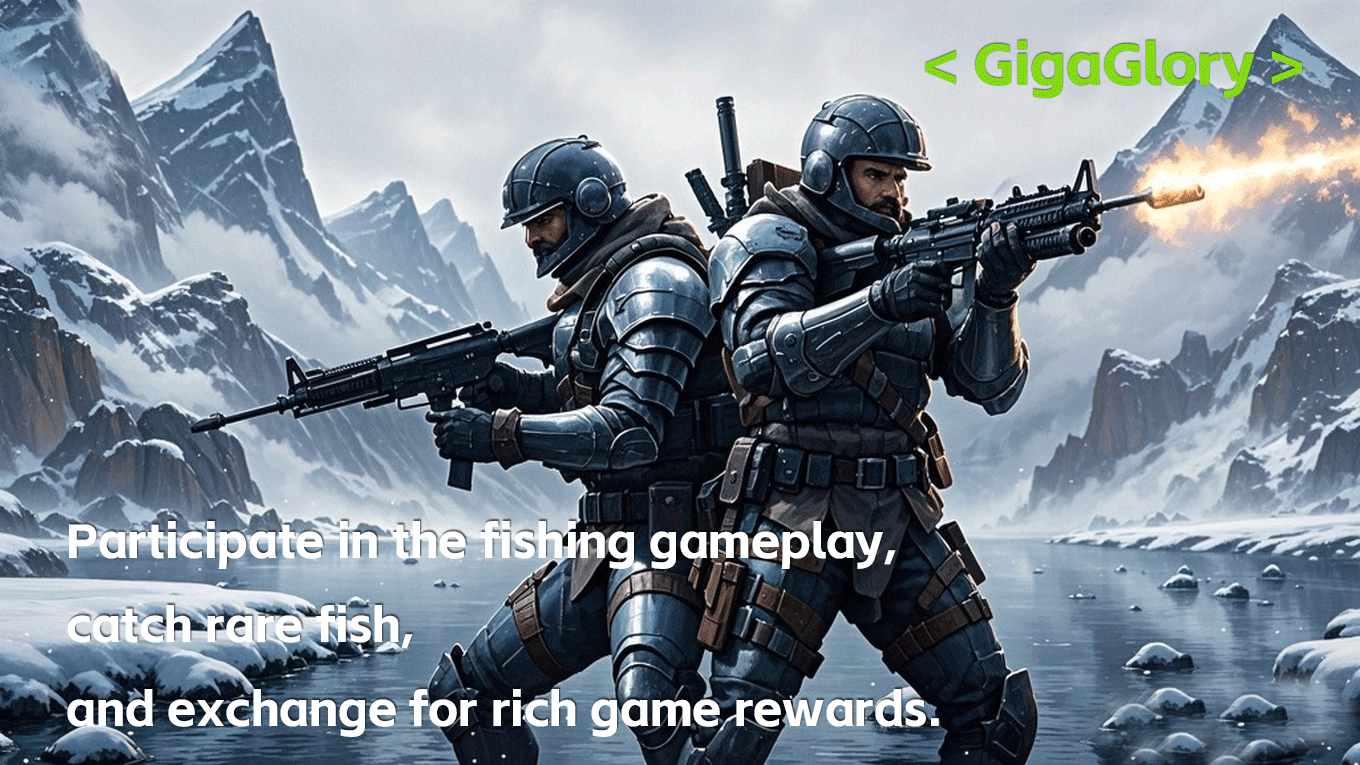
Shooting games display a stark contrast—dark environments, proficiently modeled weapons, but often a consistent tone. The difference in aesthetics significantly influences player immersion.
Does **Delta Force Mobile** Have Controller Support?
As players ask, "does Delta Force Mobile have controller support?", we start to see the evolving landscape in mobile gaming. Players now seek enhanced experiences across genres. Puzzle games embrace this shift more fluidly, with many offering great compatibility with diverse devices while maintaining their engaging qualities.
Crashes and Frustrations: Technical Troubles
Technical issues like the infamous "Premiere Pro match frame crash" frustrate players. Shooting games often feel the brunt of these glitches—an unwelcome disruption in the midst of highly charged gameplay. Conversely, the gentler pace of puzzle games reduces the impact of technical hiccups.
Patterns of Play: The Vicious Cycle

It’s essential to note that gaming preferences can evolve. A player may jump from a calming puzzle into the chaotic realm of shooters, only to return, driving a rhythm that matches their current emotional state.
Variety is the Spice of Life
Such shifts allow players to navigate their day, choosing genres that match their mood. This intrinsic connection leads to a richer gaming experience.
Gaming Trends and Future Insights
As we gaze into the future, what lies ahead for puzzle games? The surge in popularity of cozy gaming, focusing on relaxation and engagement, bodes well for puzzle enthusiasts.
- **Increased Multiplayer Features**: Expanding realms for collaboration.
- **Augmented Reality**: Transforming the puzzle format in ways previously thought impossible.
Understanding Player Preferences: A Psychological Perspective
Psychologists reveal that different players seek various experiences through gaming, often defined by their needs for achievement, social interaction, or simply escapism. Puzzle games offer a unique blend that appeals to all three, sparking engagement on several levels.
Conclusion: The Mind Over Matter
In this beautiful tapestry of gaming preferences, puzzle games emerge not just as entertainment but as a sanctuary for thought and creativity. Whether through a gentle puzzle or the chaos of shooting, each player's journey is distinct. While shooting games resonate with thrills, we often find ourselves returning to the mindful embrace of puzzles, extracting joy from their simplicity and richness. In our world, the mind triumphs over mere firepower—it’s not just about the chase, but the challenges that truly engage.
FAQ

Q: Why are puzzle games considered relaxing?
A: Puzzle games often create low-pressure environments, allowing players to engage without the stress of competition.
Q: Do shooting games lack depth in storytelling?

A: While many have narratives, the focus often remains on action rather than character development.
Q: What’s the future of puzzle games?
A: As technology evolves, puzzle games will likely incorporate new features, enhancing social interaction and immersive experiences.